Organizations post ChatGPT
[This Article is a WIP]
At Louie.ai we have been deep in builder mode, researching and developing the next generation of security automation.
Building AI tools, while using AI tools, it is becoming clear that the nature of knowledge work is changing.
Melissa Valentine's ethnographic research shows that AI systems don't replace roles, they restructure the flow of information in an organization.
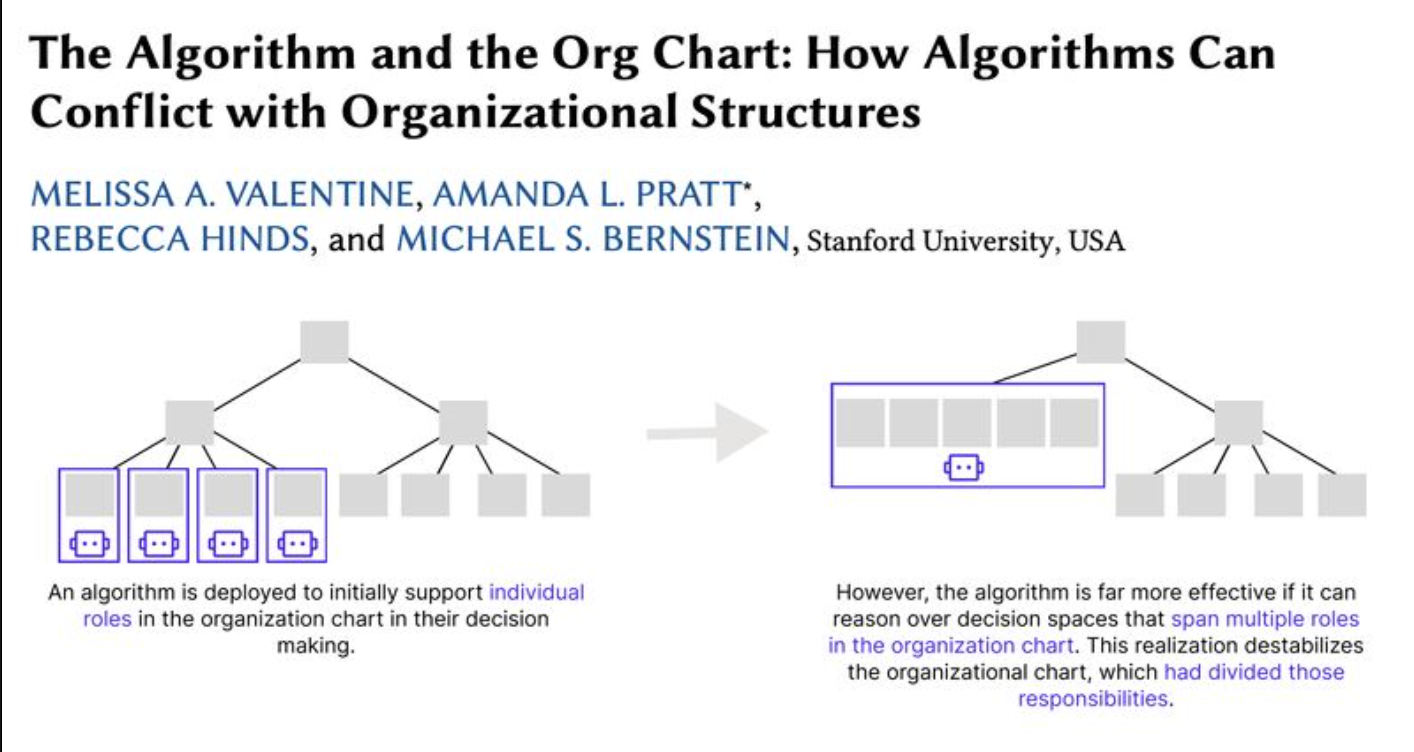
What can we expect from
Security Provider
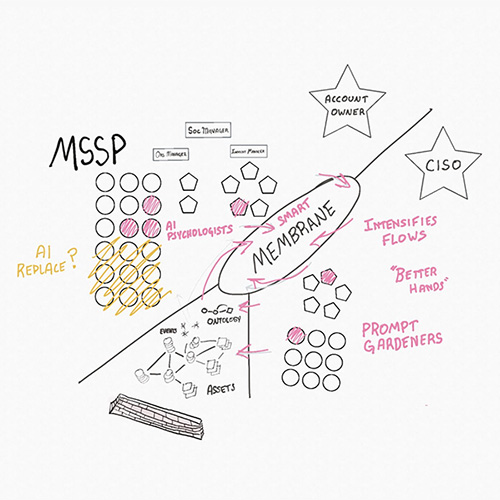
Many firms choose to contract cyber security services to MSSPs. While we often hear about new detection engineering or automated tier 1 response, the next generation of SOARs (Security Orchestration, Automation, and Response) is fundamentally a collective decision‑making process.
While we expect that tier 1 analyst pool may contract, new roles in the organization will arise arround the maintenance and social mediation of automated systems. Prompt engineering will be rebranded to context management, and look very similar to what we have seen with notion and wikis, where key individuals curate and monitor the agentic layer.
The Immune Analogy
As Uri Alon notes, the immune system has as many cells as the brain; it could be seen as a "liquid brain." And further, recent research shows, there is one unified human defense system, interconnected.
So when we look at immune function we are looking at a distributed cognitive engine, that can be as solid a reference as neuroscience, in understanding evolved decision making.
The immune system has two arms, the innate and the adaptive a pattern we can see in security, where the base level of rules, firewalls and physical security define the perimeter. From there, the SOC analysts are the obvious parallel to the adaptive arm of the immune system.
Whereas the immune system uses cytokines, chemical signals that modulate tissue behavior, SOC analysts rely on an array of tools, alerts, scanners and threat advisories to get signals about the status of their assets. When an asset has indicators of compromise, further security artifacts are accumulated, tickets and incidents are organized along with cases.
If there are indications of more serious compromise, the response intensifies, like we see with inflammation, and the ramping up of receptor networks. These increase the proximity of T and B cells, two of the star players of adaptive response. Both of the populations of cells undergo evolutionary selection, first for self specificity and then for a stronger other sensitivity, so that a given T-Cell will be tuned to be mildly interested in self, but then strongly activated at the presence of altered self. Whereas each T-Cell has a set of blurly glasses as it were, together they form coalitions of activation, feature selectors as it were, that elaborate through feedback to create ad hoc decision making circuits.
Together these signal networks organize themselves into patterns of collective response.
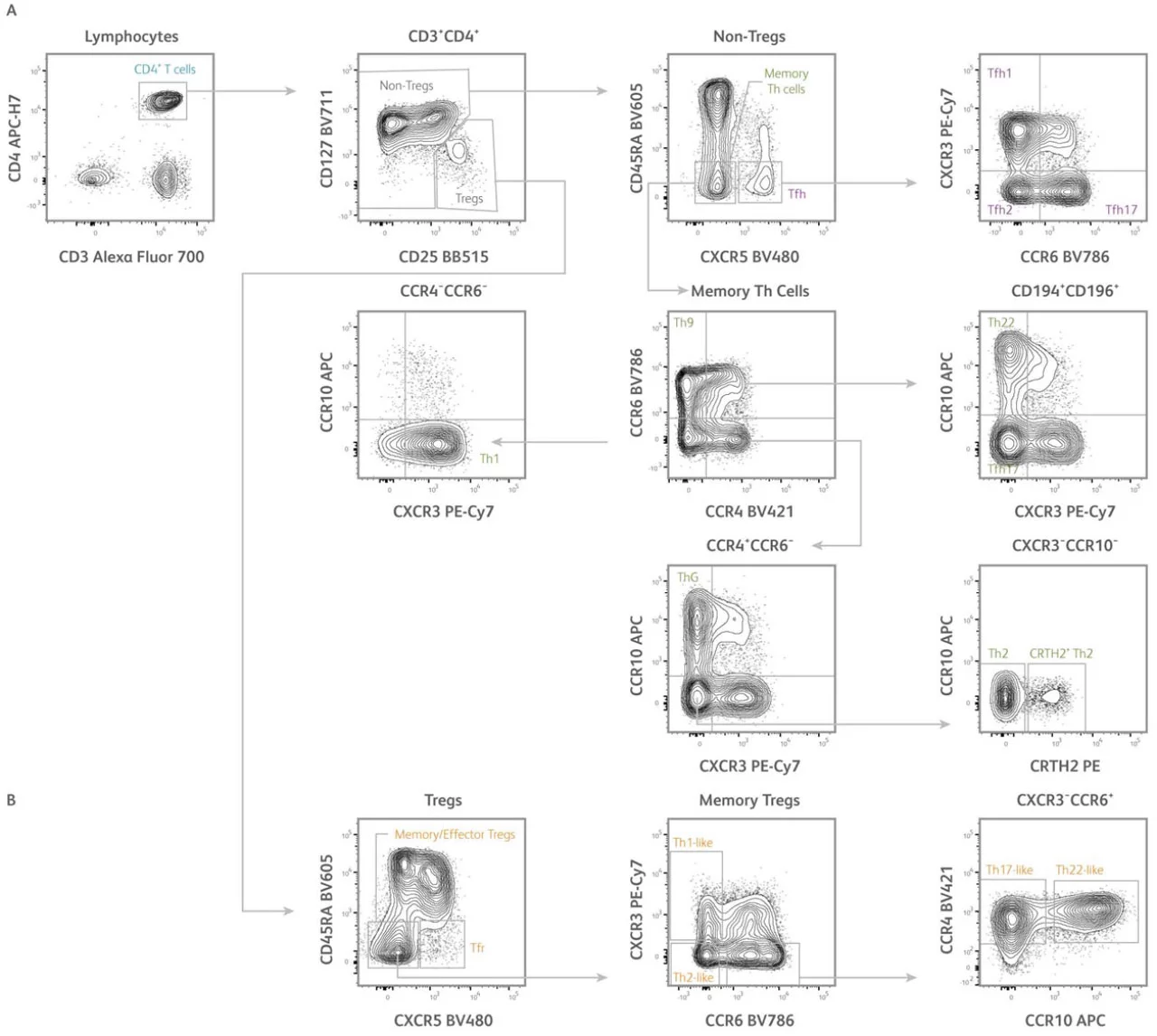
What we can take from this is actually a parallel with Dave Snowden's work in narrative landscapes. (see Exteroception) Whether we are looking at behavioral clusters in T-Cells or self annotated narratives, these multi agent systems organize themselves in context sensitive ways.
Core principles
AI Mediation
My basic argument, is an extension of AI as normal technology , that is to say that what we see with AI is a democratization of coding. Strong evidence for this is that for a modern breakthrough with military significance, the product growth came first from consumer chat applications. Compare that to the development of the internet, it was funded by DARPA and it's use expanded in support of the high energy physics of CERN.
Taking what we saw above, the intelligence of a multi agent cognitive system is built on